Researcher · Engineer · Entrepreneur

Hi, I’m Steve.

I study how people and technology shape one another.

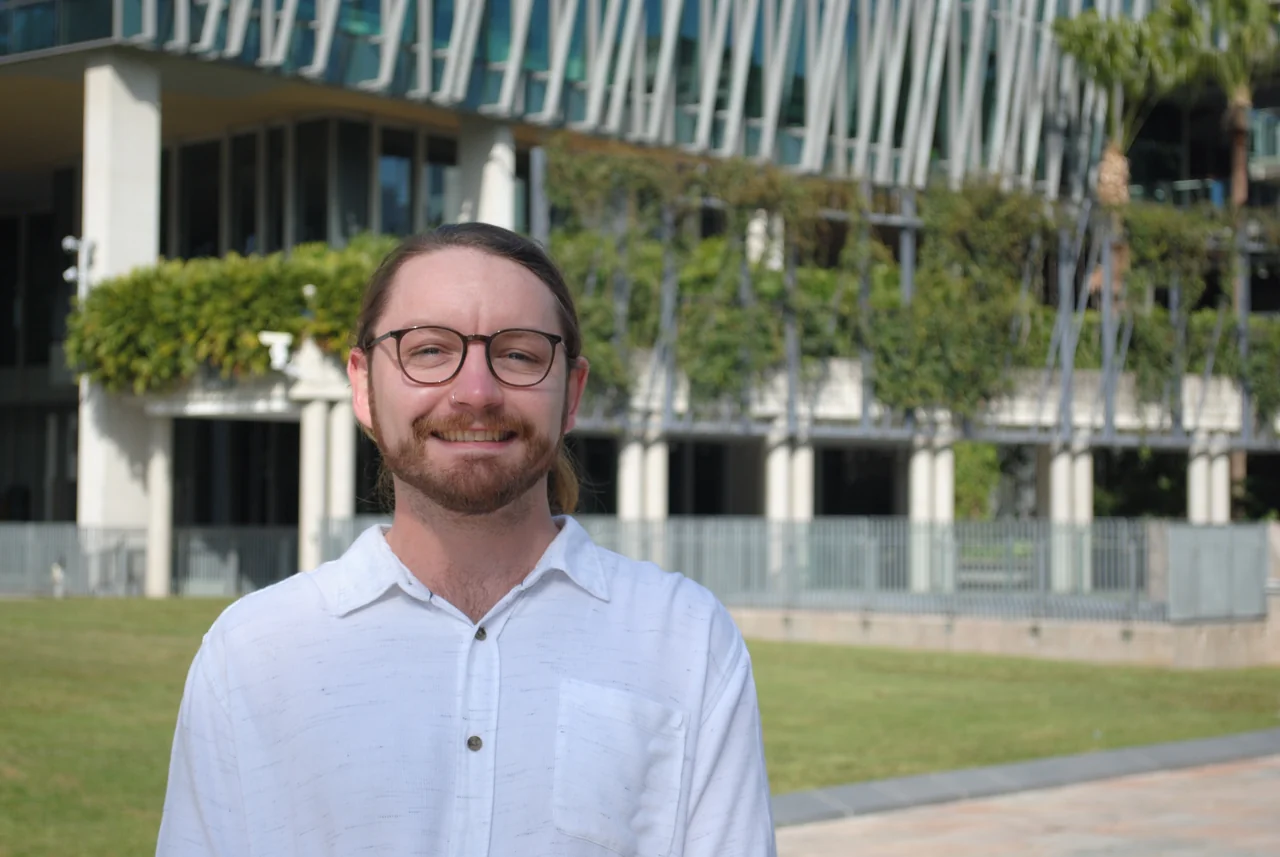
I’m Dr Steve J. Bickley, a Brisbane-based researcher and engineer working across applied AI, behavioural economics and complex systems.

At QUT and ARC BITA (opens in a new tab), I explore how people make decisions, adopt technology and adapt to change. As co-founder of Panalogy Lab (opens in a new tab), I also help turn research into useful software and industrial applications.

Steve Bickley smiling outdoors at QUT
Based in Brisbane, Australia

Queensland University of TechnologyPostdoctoral Research Fellow

ARC BITABehavioural Insights for Technology Adoption

Panalogy LabCo-Founder & CEO · Applied AI R&D

Research and software

Selected work

All projects

QUT research · Future Skills Organisation

Generative AI adoption at work

I led a national study of AI adoption, bringing behavioural research and stakeholder engagement together in a published report, employer workshops and a practical toolkit for building workforce capability. The working group included representatives from organisations such as Commonwealth Bank, Woolworths Group, the Digital Transformation Agency and COSBOA.

41working-group members
36organisations represented
The research & what we delivered Download FSO’s SME AI Coach ↗ (opens in a new tab)

Panalogy Lab · Research software

SurveyLM & synthetic populations

Co-creating tools to study attitudes and decisions with large language models, and testing how closely their responses reflect human evidence.

Explore SurveyLM

Panalogy Lab · Industrial AI

AI for industrial operations

From PLC fault diagnosis with Agent Rung to production modelling and optimisation with Icebreaker: connecting engineering knowledge, live operational data and human decisions.

See the industrial projects

The questions behind the work

Research interests

My research

Understanding human–AI interaction

When can AI help us understand people, and where do synthetic responses leave out the variation that matters?

Human-centred AI

Making sense of technological change

How do workers, organisations and institutions build the capabilities to adopt and benefit from new technologies?

Adoption & work

Building useful research systems

Turning archives, interviews and operational information into traceable evidence, computational models and usable tools.

Knowledge & complexity

From my PhD

Choosing methods for complex problems

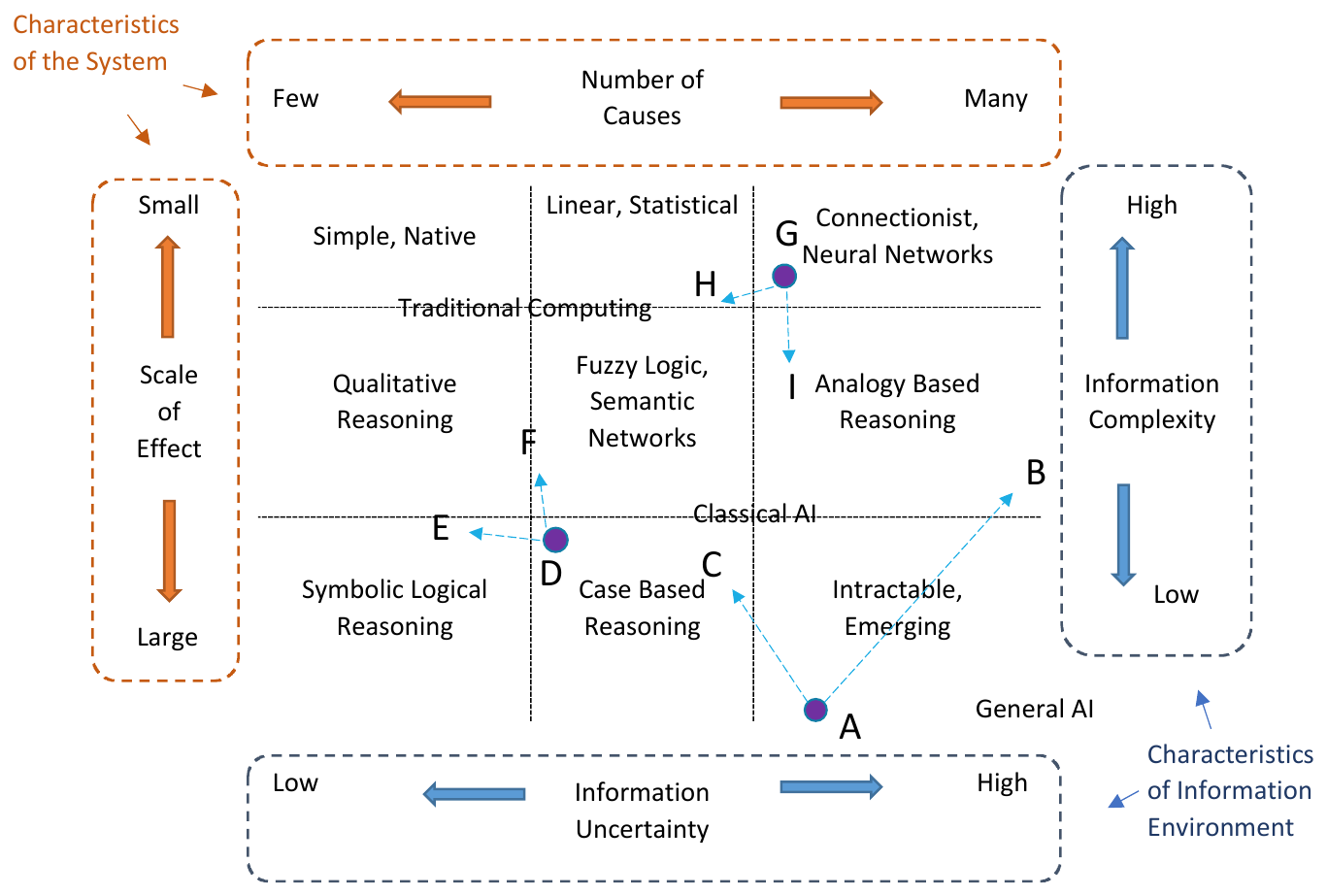
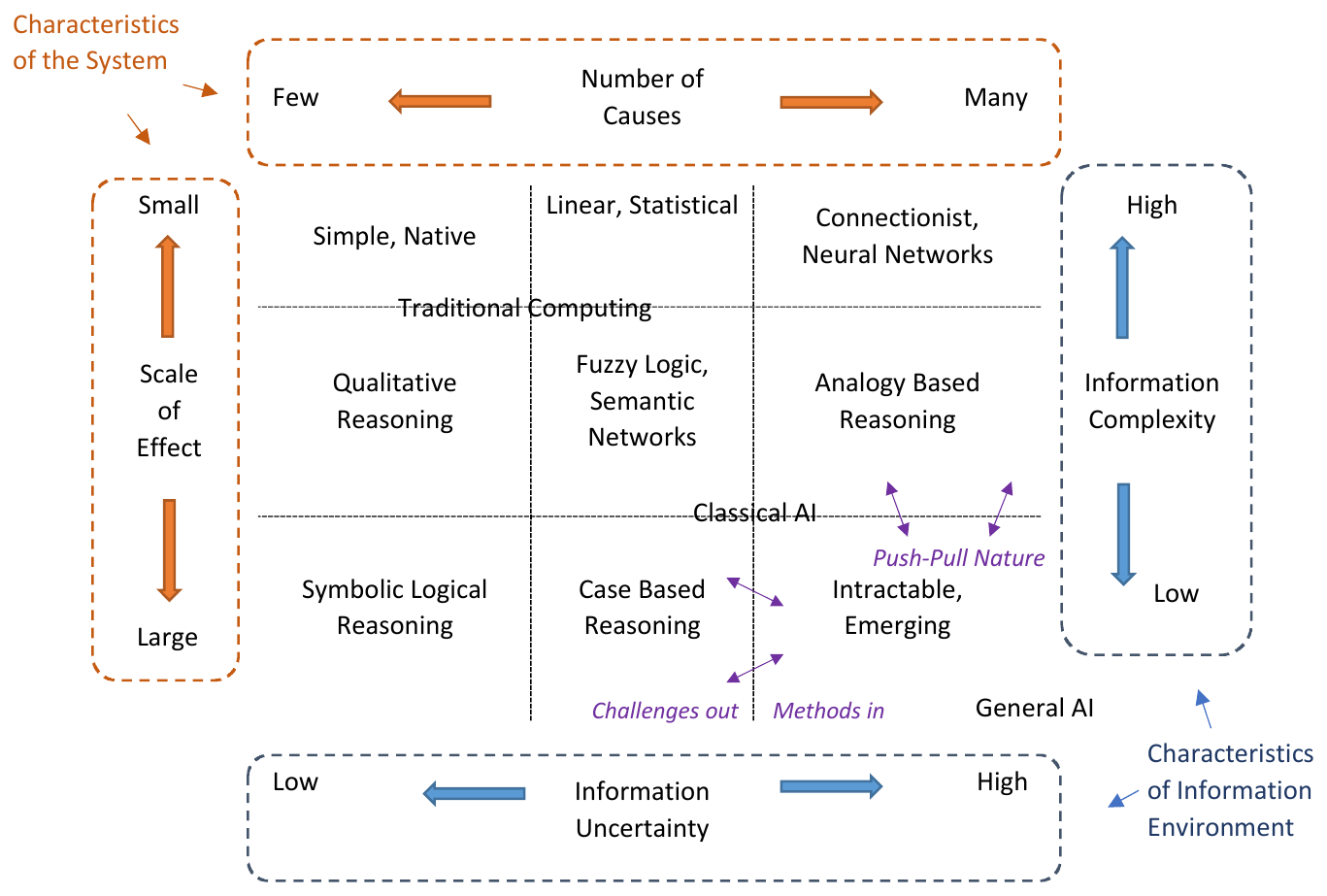
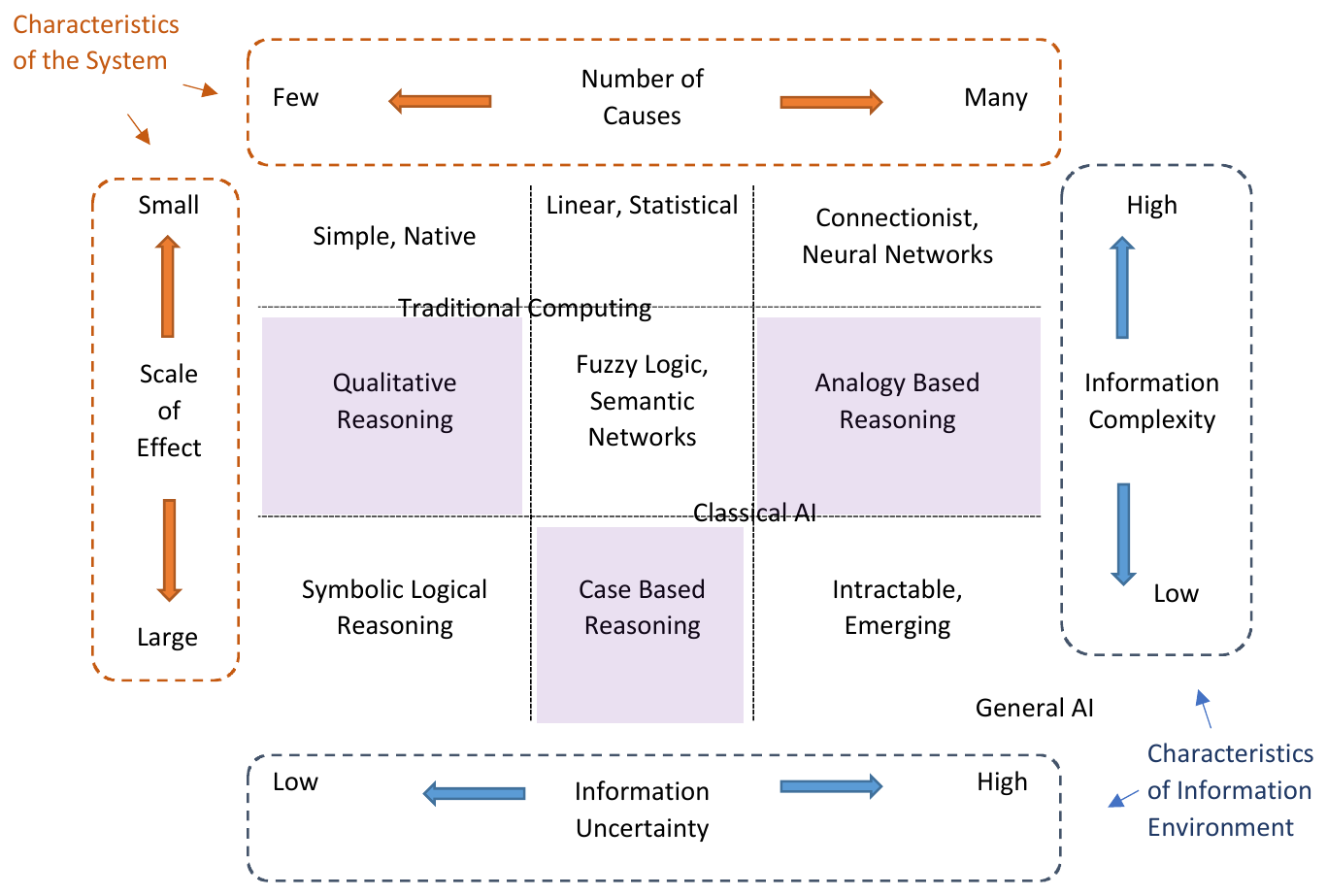
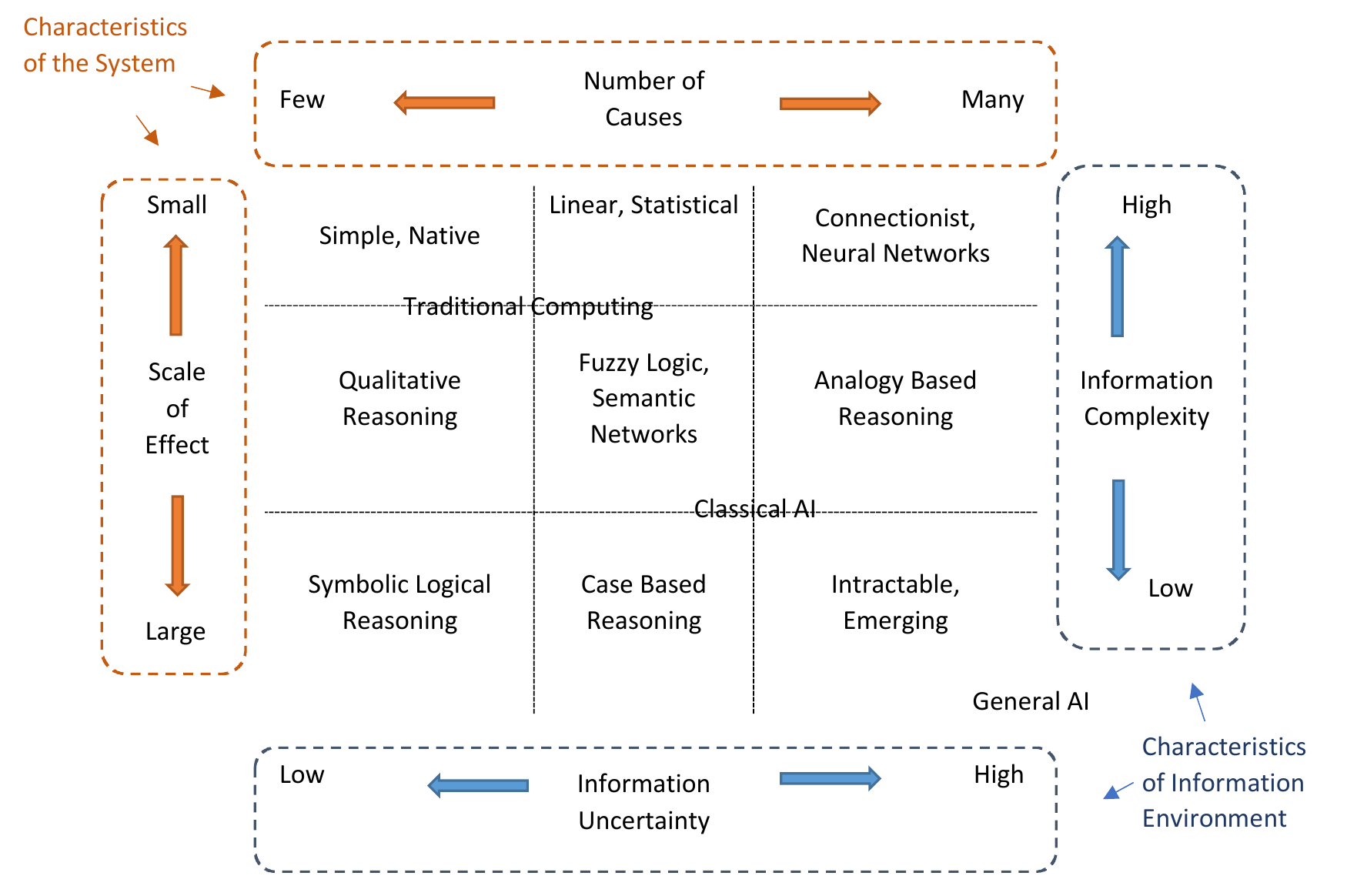
My PhD brought behavioural economics and complexity science together through the Constrained Methods Matrix. It’s a framework for thinking through which analytical methods suit a problem and the information available.

The matrix and the thesis
Nine families of analytical methods arranged by number of causes, scale of effect, information complexity and information uncertainty. Methods include statistical analysis, neural networks, qualitative reasoning, fuzzy logic, analogy, symbolic logic and case-based reasoning.Browse Figures 1–4
Figure 1 · The Constrained Methods Matrix, extended version. Match analytical approaches to the system’s scale, causes and available information. Thesis p. 13, adapted from Bickley & Torgler (2023). Thesis and source context ↗ (opens in a new tab)
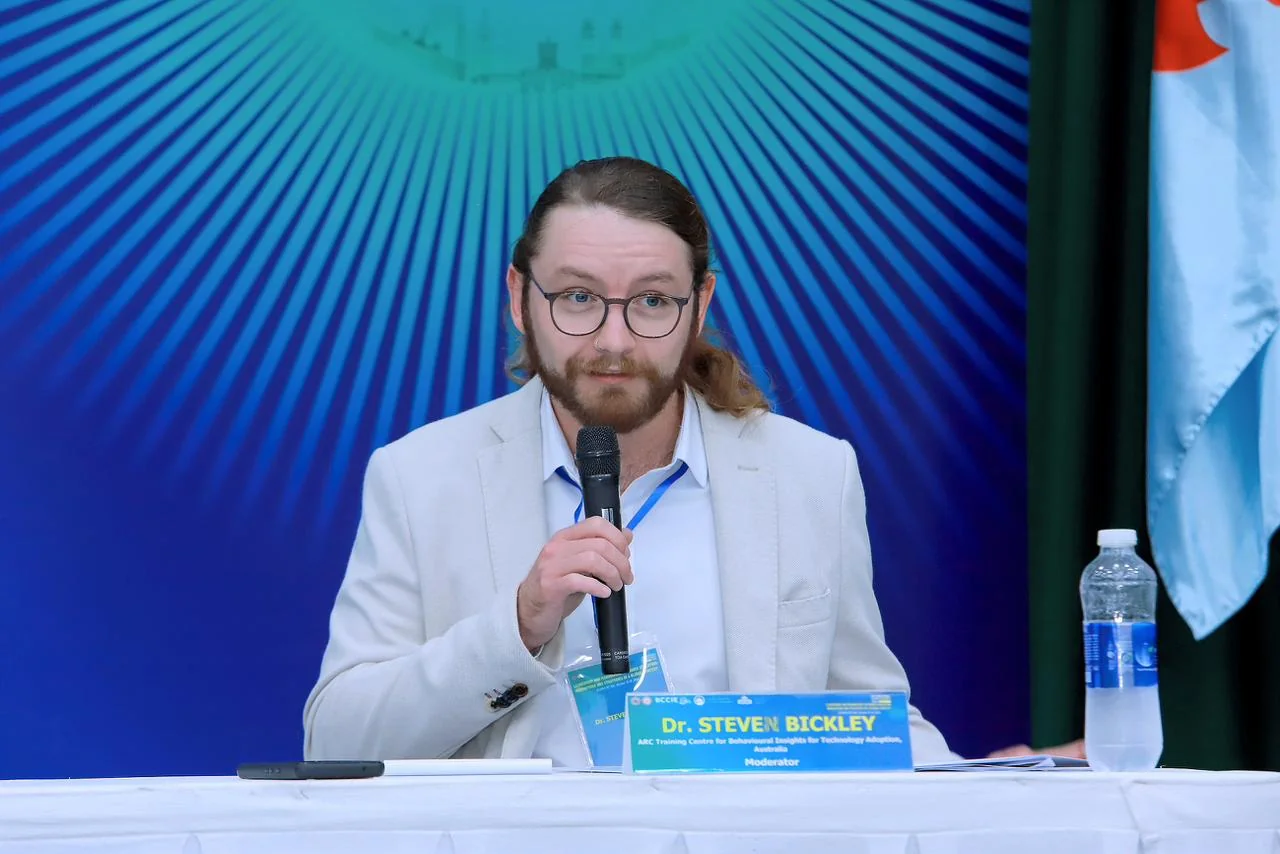
Steve facilitating an invited panel at SEAMEO RETRAC in Vietnam
Invited panel moderator · SEAMEO RETRAC, Ho Chi Minh City, Vietnam · October 2024

Teaching and exchange

Speaking, teaching and working with others

At SEAMEO RETRAC’s International Conference on Leadership and Management in Higher Education, I facilitated invited panels on leadership and entrepreneurship, and the design and assessment of AI and emerging technologies.

Closer to home, I teach research methods, mentor students and Nudgeathon teams, and share practical tools through the ARC BITA Geek Seminar Series.

Teaching, speaking & mentoring

People and community

From Nudgeathon competitor to coach

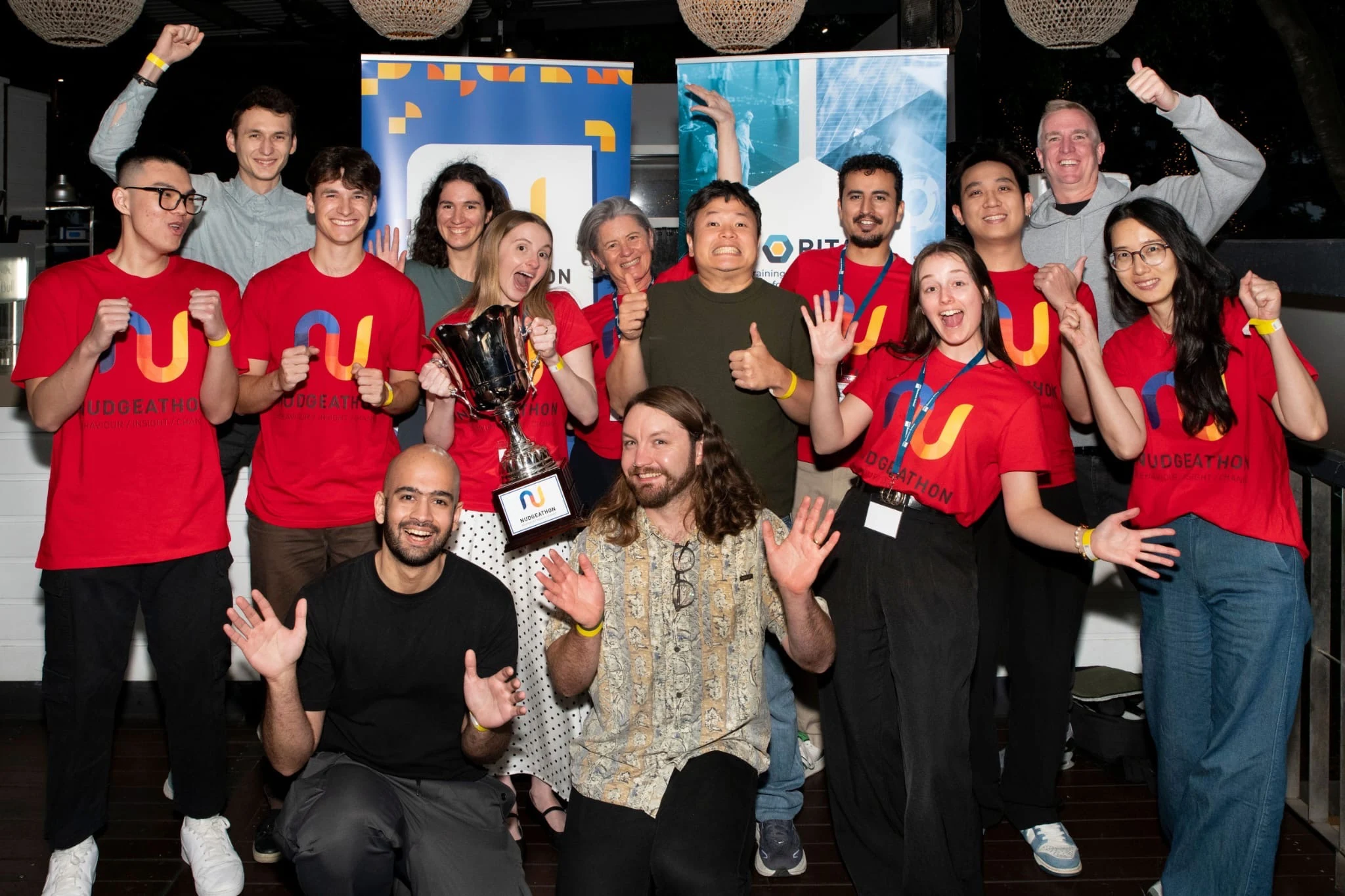
I first took part as a student. I now work alongside HDR students, postdocs and colleagues as a domain expert, advisor and coach, helping teams put behavioural science into practice.

The Nudgeathon community
Steve with HDR students, postdocs and colleagues at the 2026 Nudgeathon in Brisbane
With HDR students, postdocs and colleagues at Nudgeathon 2026 · Brisbane, Australia

Public writing · The Conversation

Can AI predict people’s survey responses?

In an invited article, I discuss what synthetic respondents can tell us about human behaviour, and what remains difficult to capture.

Read the article
4,982article reads as at

Ranked 6th by reads among all QUT-authored articles in the July 2026 reporting period.

Explore the impact and reach of my work →

How I got here

My path has taken me from electrical engineering and industrial project delivery to a PhD in Economics, applied AI research and building a company. I still draw on that engineering experience when I’m deciding how to frame a research problem or build a system.

More about my journey

Research figure

Expanded research figure

Open full-resolution image (opens in a new tab)